Science, community, and conservation for the insular Caribbean.
We protect biodiversity across Cuba, the Dominican Republic and Haiti by joining scientific research, watershed conservation and community stewardship.
To protect and conserve the biodiversity of the Caribbean through integrated watershed management, applied research on threatened species, biomonitoring, environmental education and international cooperation.
Our mission
Focused on the ecosystems where protection matters most.
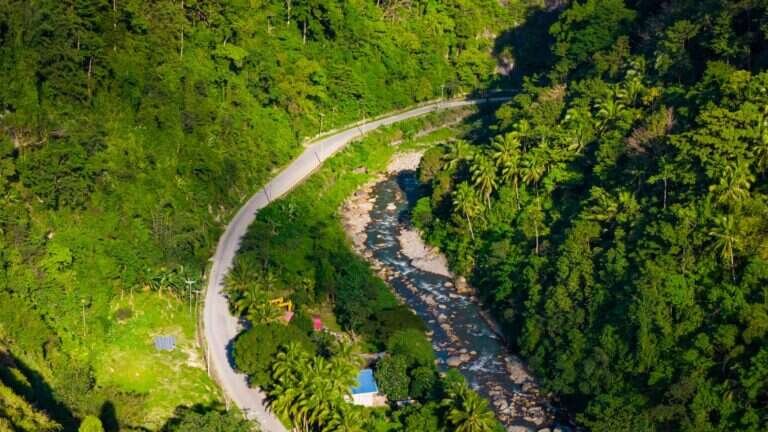
CWC works within the Insular Caribbean, concentrating on watershed ecosystems and critical biodiversity hotspots that fall outside the boundaries of official national parks.
Cuba
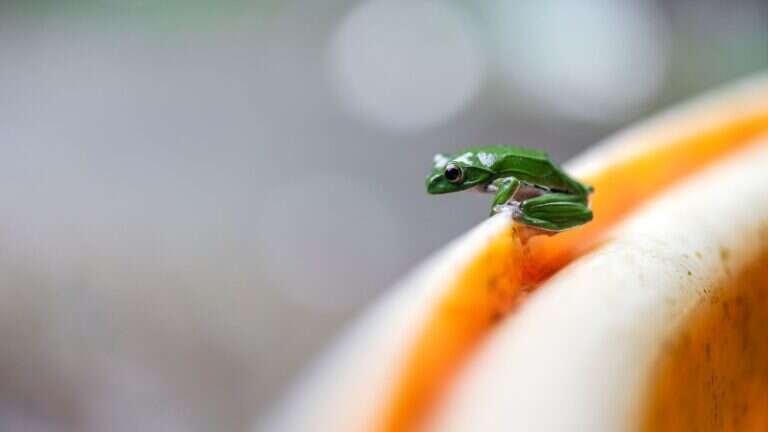
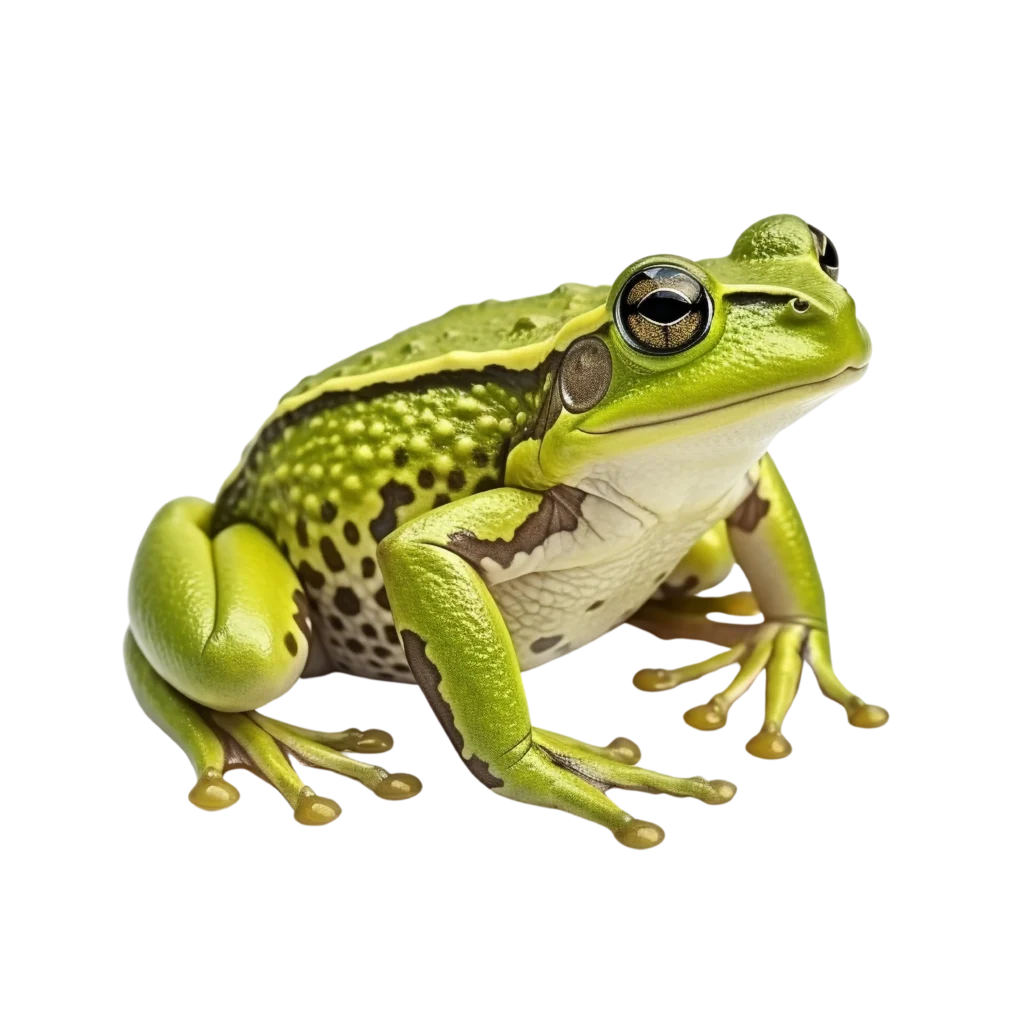
Amphibian biomonitoring across riverine ecosystems, tracking species whose presence signals the condition of an entire basin.
Riverine, arboreal
Dominican Republic
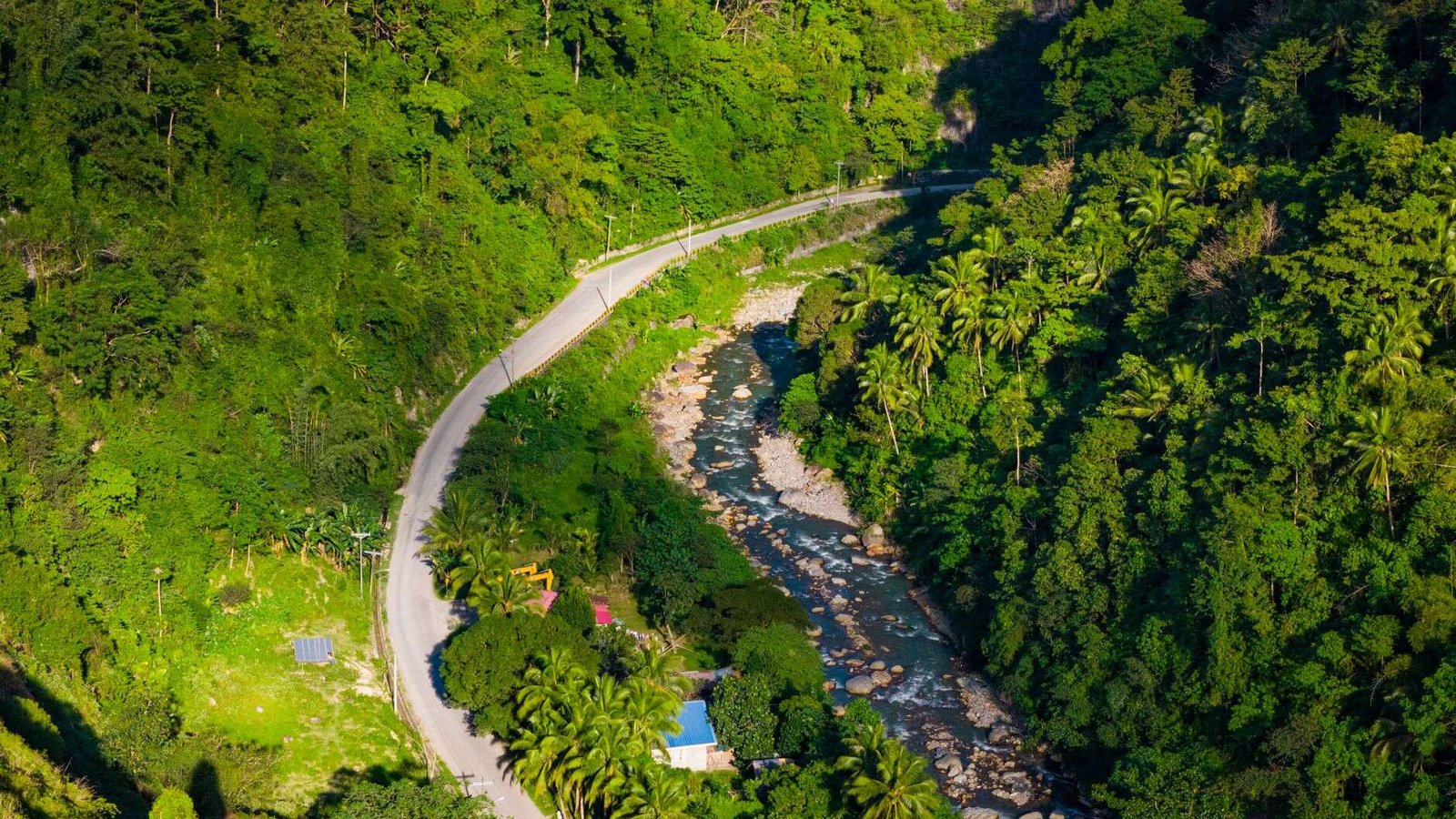
Watershed connectivity and corridor restoration linking fragments of habitat that formal reserves leave unprotected.
Corridors, watersheds
Haiti
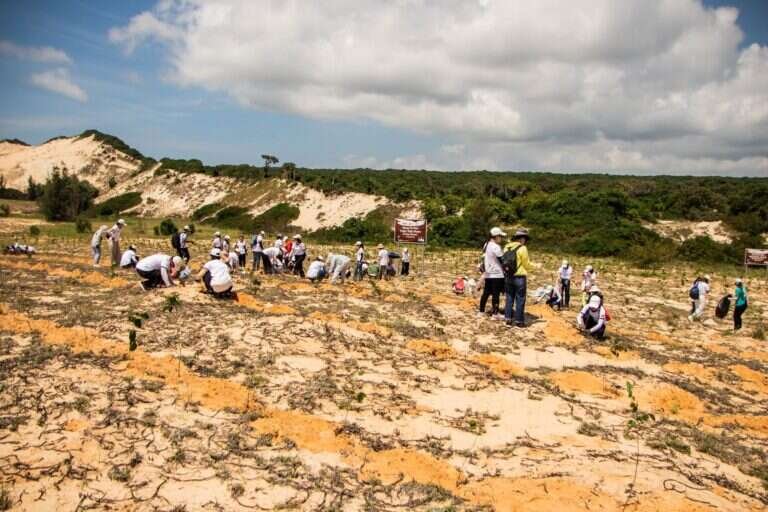
Community-led ecological restoration, pairing environmental education with practical recovery of degraded land.
Restoration, education
An integrated system for protecting Caribbean biodiversity.
Restoration, monitoring, connectivity, stewardship and partnerships work as one system, not as separate programmes.
Ecological restoration
Restoring terrestrial and aquatic ecosystems so they keep delivering the services that make the region resilient to a changing climate.
Scientific monitoring
Standardized protocols for critically endangered riverine and arboreal amphibians.
Ecological connectivity
Biological corridors and protection of the fragmented habitat between reserves.
Community stewardship
Local communities as active leaders in conservation and environmental education.
Technical partnerships
Alliances with universities and research centres that advance applied conservation science.
Reading the health of a river.
We apply the BMWP/cub index across Caribbean freshwater ecosystems, a standardized method that turns aquatic macroinvertebrate communities into a comparable measure of river condition.
Monitoring focuses on riverine and arboreal amphibians, including Eleutherodactylus cubanus and E. rivularis, whose presence signals the state of an entire basin.
Protecting what exists between protected areas
Much of the region’s biodiversity survives outside formal reserves, in fragmented habitat and the corridors that connect it.
Conservation succeeds when communities lead it
Stewardship and environmental education put local communities in charge, as participants rather than beneficiaries.
Work under way across the three island nations.
Each project pairs field data with the communities that live in the basin.
Caribbean Watershed Conservation Inc. was incorporated in Kentucky in 2026, formalising more than a decade of scientific research in the Caribbean. The organisation exists to close the gap between academic research and conservation that actually happens on the ground, particularly in biodiversity areas that lack formal protection.
The people behind the science.
Pedro López Del Castillo, PhD
Scientific Director
Conservation scientist working in freshwater ecology, wildlife management and Caribbean biomonitoring.
Julio César Del Castillo Ares
Executive Director
Information technology engineer responsible for organisational development and digital infrastructure.
Yisel López Rodríguez
Communications Specialist
Documentary photographer focused on environmental documentation and Caribbean conservation storytelling.
Get in touch about research, volunteering or partnership.
Whether you are a researcher, a volunteer or an institution looking to collaborate, we would like to hear from you. Every project on this site started as a conversation.
To be a regional leader in participatory and sustainable conservation, building synergy between local communities, scientific institutions and international partners.
Our vision
The future of Caribbean biodiversity depends on what we protect today.
Science provides the evidence. Communities provide the stewardship. Collaboration makes conservation possible.